
Electricity is a recurring cost in a commercial wash operation, but a single number rarely describes the whole system. The wash program, vehicle mix, optional dryers and equipment included in the quote all affect the comparison. This guide explains how to evaluate car wash machine electricity consumption with comparable, model-specific information.
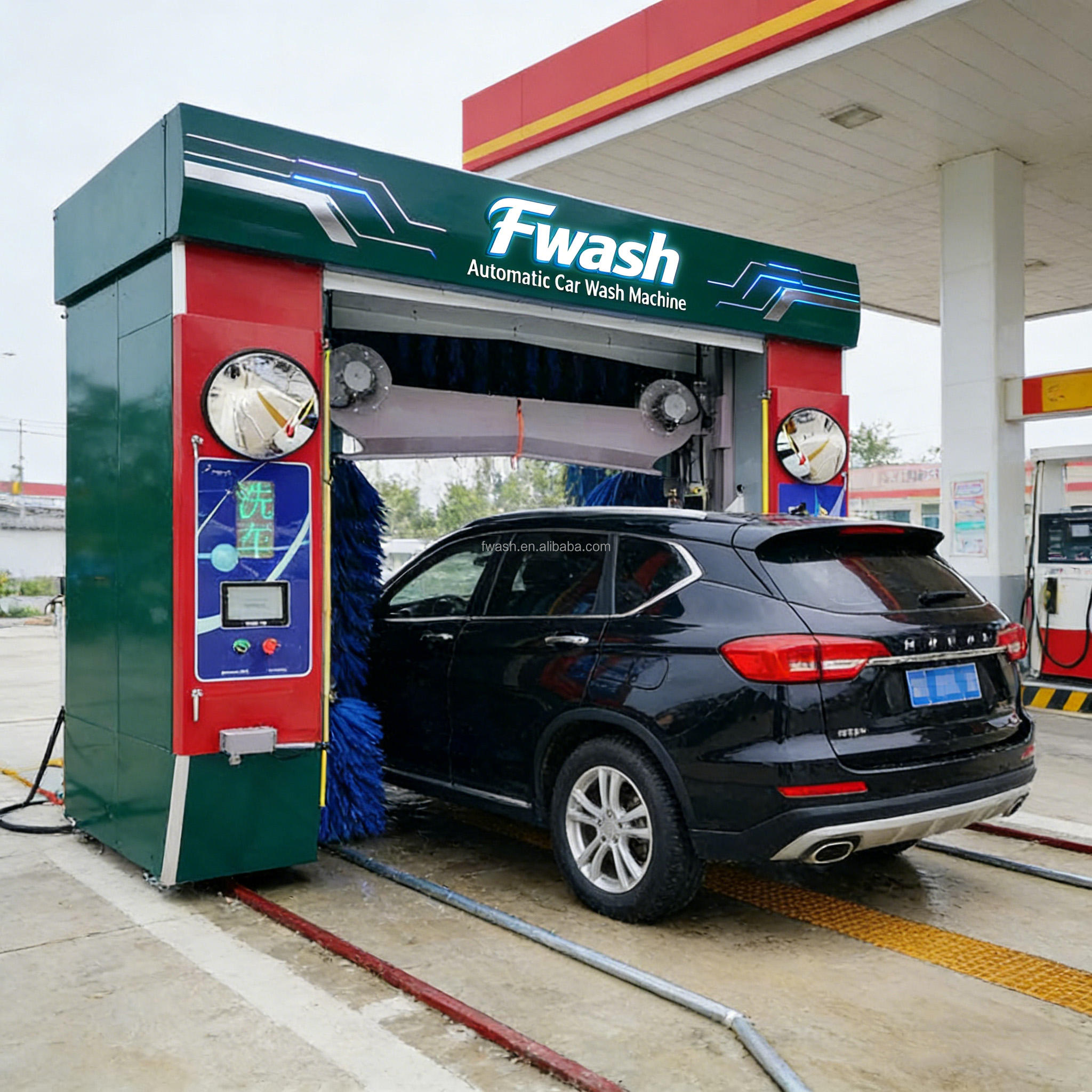
kW and kWh answer different questions
Power, measured in kilowatts (kW), describes the rate at which equipment can draw electricity at a moment in time. Energy, measured in kilowatt-hours (kWh), describes how much electricity is used over a period. A nameplate or connected-load figure helps an electrician plan the supply; it does not by itself tell you the energy used for one wash. For operating-cost comparisons, request a documented kWh-per-cycle figure and the exact wash program and components it covers.
Identify every load included in the quote
Ask whether the figure covers only the main machine or also pumps, high-pressure systems, blowers, air compressors, water treatment, heating, lighting, controls and equipment that runs between vehicles. Some items may be supplied separately. If the supplier reports kWh per vehicle, confirm the cycle definition, options fitted, test conditions and whether auxiliary or standby consumption is included. Compare the same vehicle type, wash program and drying option under equivalent operating assumptions.
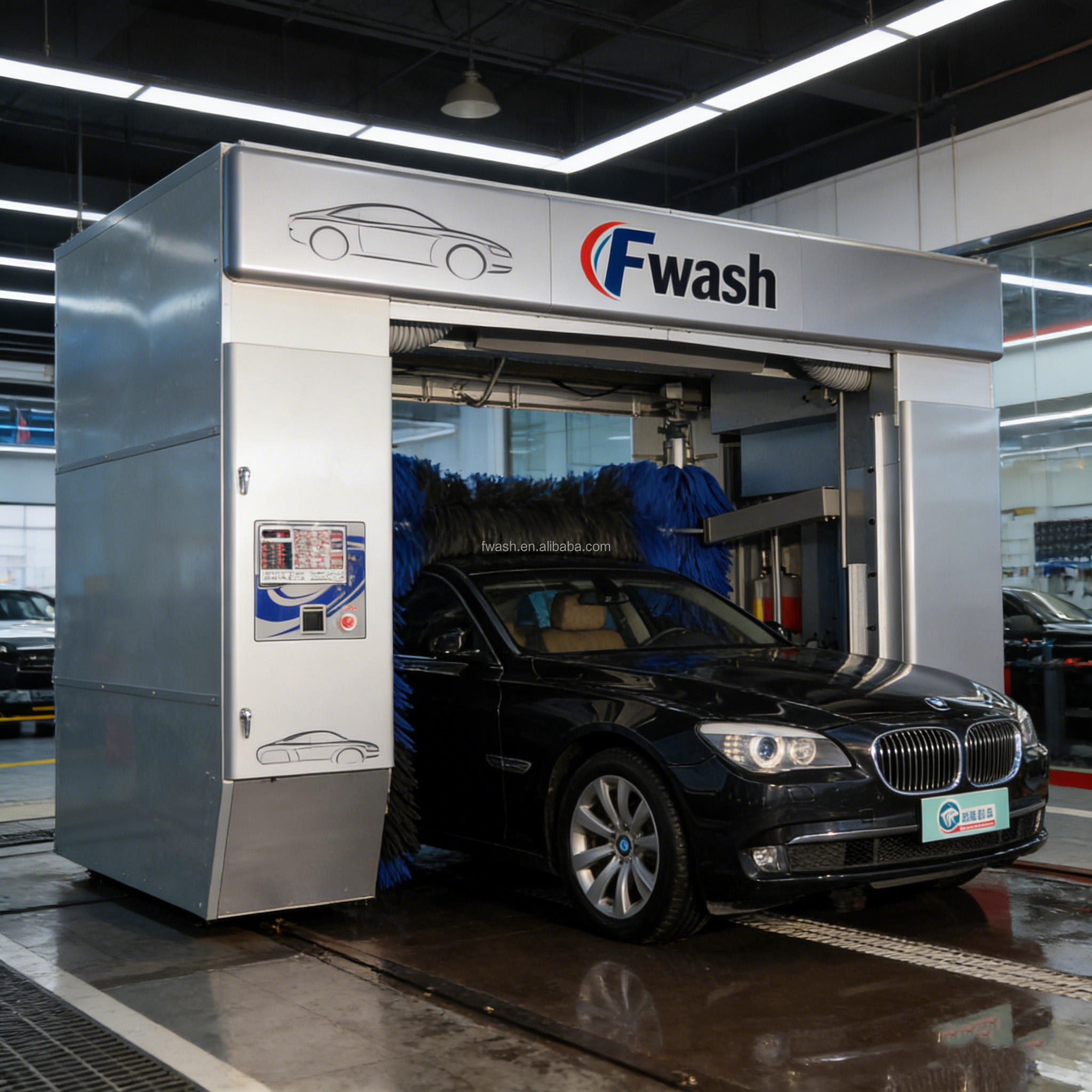
Estimate electricity cost with transparent assumptions
For a site trial, record the electricity meter before and after a representative operating period and count completed washes. Divide the kWh used by the number of vehicles washed to estimate kWh per vehicle for that sample. Multiply by expected wash volume and the applicable energy rate to model variable energy cost. Keep fixed charges, demand charges, taxes and other facility loads separate because tariffs vary by location and contract. If wash programs or seasonal volumes differ, model more than one scenario instead of treating a short test as a guaranteed annual average.
Questions to ask before choosing a system
- What is the connected electrical load and required supply configuration for this exact model?
- What kWh figure is available for each wash and drying program, and how was it measured?
- Which optional equipment and auxiliary loads are included or excluded?
- Can the machine and major auxiliary loads be metered separately during commissioning?
- Which operating settings and maintenance tasks affect energy use over time?
Compare energy alongside the full operating plan
A lower connected-load figure does not automatically mean lower total cost if the comparison uses different cycle times or excludes optional equipment. Review energy alongside throughput, wash quality, site fit and service needs. Compare it with car wash machine water consumption and the equipment maintenance plan. Ask the supplier for configuration-specific documentation before you finalize an operating budget.
Buyer takeaway: use connected load for electrical planning and comparable kWh-per-wash data for energy estimates. Actual consumption depends on model, configuration, program, operating conditions and local electricity tariffs.